How Betting Odds Move After Team News
Team news moves prices faster than almost any other input. A confirmed absence can shift a match from 2.10 to 2.35 within minutes, and the bettor who sees the lineup first is not automatically the one who profits. The useful question is not whether the news is important, but whether the market has already absorbed it and how far the repricing usually runs.
Bookmakers do not react to headlines. They react to changes in the probability of each outcome, and a headline only matters when it changes the players on the pitch or the way the team will play. That distinction explains why a dramatic rumour can leave a price untouched while a quiet squad update moves three markets at once.
Why the market reprices before kickoff
Trading desks price a football match with a model built on team strength, venue, rest days and projected lineups. When news arrives, the trader adjusts the inputs rather than the output. A striker who scores 0.45 goals per 90 minutes is replaced in the model by a player with 0.20, and the goal expectation for that team drops by roughly a quarter of a goal. The win probability then falls by two to four percentage points, which is enough to move a price by 10 to 25 points.
This is also why the first move is often the largest. Early money is thin, limits are low, and the desk is still gathering information. Once the news is confirmed by an official channel, the price settles into a new range and the remaining movement is driven by bettor flow rather than by the fact itself. If you are new to decimal prices, our guide to odds formats explains how points translate into probability.
Three inputs traders actually price
Not all team news is equal. Traders separate it into availability, role and replacement quality, and each one is priced differently.
Availability is binary: a player either starts or does not. Role matters more than reputation, because a squad player who covers the most progressive passes is more valuable to the model than a famous name on the wing. Replacement quality is the multiplier. Losing a striker hurts far less when the deputy has started 15 matches this season than when a teenager makes his first start.
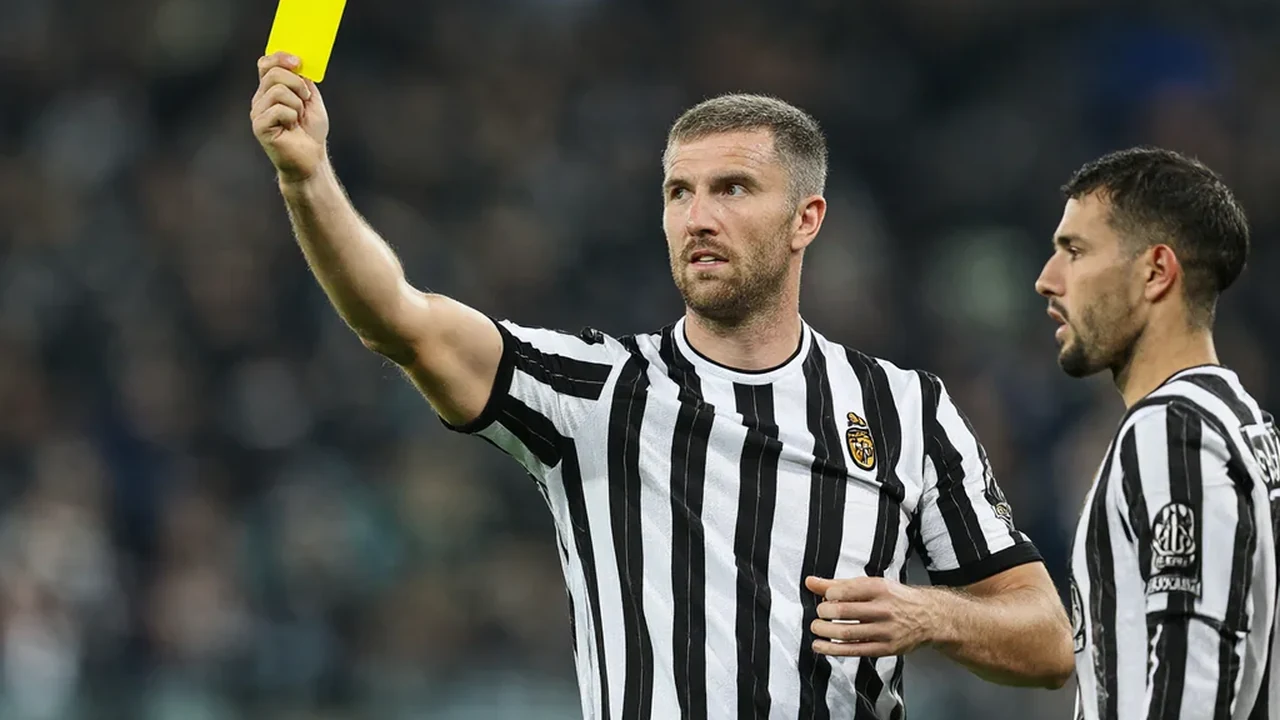
The same logic applies to in-match events. A booking in the 20th minute changes the model's risk for the rest of the game, and a trader who ignores it will be slow to adjust the player card and handicap markets. Team news is simply the pre-match version of the same continuous repricing.
A fourth input is tactical. If the manager reacts to an absence by switching from a back four to a back three, the effect on total goals can be larger than the effect on the result market. That is why team news often moves the totals line while leaving the 1X2 price almost unchanged.
How far lines usually move
The table below summarises typical moves in hundredths of decimal odds for a mid-tier league match. The ranges are guides, not guarantees, and they assume the news is genuine and confirmed rather than rumoured.
| News type | Direction | Typical move | Window |
|---|---|---|---|
| Top scorer ruled out | Against that team | 15 to 35 points | First 30 minutes |
| First-choice goalkeeper out | Against that team | 4 to 10 points | First 30 minutes |
| Two starting defenders suspended | Against that team | 10 to 22 points | First hour |
| Manager confirms heavy rotation | Against that team | 8 to 20 points | Press conference |
| Captain returns from injury | For that team | 6 to 15 points | Lineup release |
| New signing available | For that team | 3 to 8 points | 24 to 48 hours |
| Pitch or weather doubt | Toward the under | 5 to 12 points | 2 to 6 hours |
Two patterns are worth memorising. First, defensive news moves prices less than attacking news of the same magnitude, because a goal is a discrete event and a defender's error is only one path to conceding. Second, the market tends to overprice the first reaction to a goalkeeper change and underprice a change in the centre of defence, where communication matters more than individual shot stopping.
Timing: the first hour and the last hour
Most of the move happens in the first 30 minutes after the news becomes public. After that, the price drift is driven by bettor sentiment. If the public backs the weakened team because the price looks generous, the line can partially retrace, which is where a disciplined bettor finds the best number.
The last hour before kickoff is different. Official lineups are released, the market becomes liquid, and limits rise. Prices at this stage are the most accurate of the day, which means the edge from team news has usually disappeared. Betting into a confirmed lineup is a test of your model, not a test of your information.
What to do with the information
- Check the source before the price. A rumour from an unreliable account is not tradeable information.
- Compare the current price with the price 24 hours earlier to see how much of the move has already happened.
- Look at the totals and handicap markets, not only the 1X2, because tactical reactions often show up there first.
- Record the price you took and the price at kickoff, so you can measure whether you were early or late.
- Avoid backing a weakened team purely because the price drifted, unless your own estimate says the new price is still wrong.
The practical skill is not predicting the news. It is recognising the gap between the first reaction and the settled price, then deciding whether your estimate of the new probability is better than the market's. That is the same test you apply to every other bet, and it is why closing line value is the best long-run scorecard for the decision.